Discover the Vital Services Provided by a Professional Arborist for Maintaining Healthy Trees
A professional arborist delivers a variety of services essential for ensuring tree wellness and enhancing landscapes. Their expertise in tree pruning encourages growth and minimizes threats. They also identify and treat tree diseases, making sure personalized treatments are established - Florence Arborist. Additionally, arborists handle safe tree removals and can assist with planting and transplanting. Their role is even more vital during critical situations like storm damage. Knowing these services can profoundly influence one’s approach to tree care
The Significance of Tree Pruning
Although many homeowners might ignore the need for tree pruning, it is crucial in maintaining the health and aesthetics of trees. Proper pruning helps trees develop a strong structure, eliminating dead or infected limbs that could create hazards. By judiciously pruning limbs, the tree can concentrate its resources on healthy growth, fostering superior air movement and sunlight penetration. Additionally, pruning can boost the aesthetics of the tree, forming it for visual beauty in residential landscapes.
Moreover, regular pruning can avert future risks, such as dropped branches during storms or high winds, which could damage property or cause personal injury. It also helps prevent of insect problems and diseases by boosting the tree's resistance. Ultimately, hiring professional arborists for tree pruning guarantees that trees remain healthy, safe, and visually pleasing, adding significantly to the overall beauty and value of the property.
Identifying and Treating Tree Diseases
Tree health can be considerably affected by various diseases that may not always be readily apparent. A professional arborist plays an essential role in diagnosing these conditions early, utilizing a combination of visual inspections and testing equipment. Symptoms such as unusual leaf coloration, wilting, or abnormal growth habits often point to underlying wellness concerns. Arborists evaluate these signs to determine exact ailments, whether fungal, bacterial, or viral in nature.
Following the diagnosis, the arborist develops a tailored management plan. Such a strategy might incorporate specific applications, such as chemical controls, and cultivation methods that boost the tree's resistance. In addition, correct hydration, the application of mulch, and fertilization can considerably improve the vitality of the tree and defense against pathogens. Consistent observation and follow-up treatments are critical to successful control, ensuring the longevity and health of the trees. When dealing with tree diseases promptly, tree specialists ensure the ecological advantages and visual appeal of thriving trees.
Best Practices for Tree Felling
Safe tree extraction techniques are essential for guaranteeing safety and minimizing damage to surrounding property. Expert tree specialists conduct a comprehensive evaluation of the state of the tree, its location, and the surrounding environment before beginning the felling process. They utilize specialized equipment, such as chainsaws and rigging gear, to guarantee precise cuts and maintain control while cutting view now down the tree.
A well-planned removal strategy involves spotting possible dangers, such as power lines or nearby structures, which can compromise the safety measures. Arborists often use a technique called "sectional dismantling," where the tree is cut down in smaller segments, lessening the hazard posed by dropping wood.
In addition, professionals comply with municipal guidelines to ensure adherence and responsible environmental care. Following the extraction, thorough clearing and removal of the tree debris, stump removal being included, help improve the overall security and look of the landscape.
Planting and Transplanting Trees
The process of tree establishment demands close attention of site selection and planting techniques to guarantee long-term health and growth. Choosing the correct site significantly influences a tree's development, and correct installation techniques minimize stress and aid in successful rooting. Professionals stress these considerations as vital for boosting the vigor and longevity of trees in various settings.
Selecting an Appropriate Site
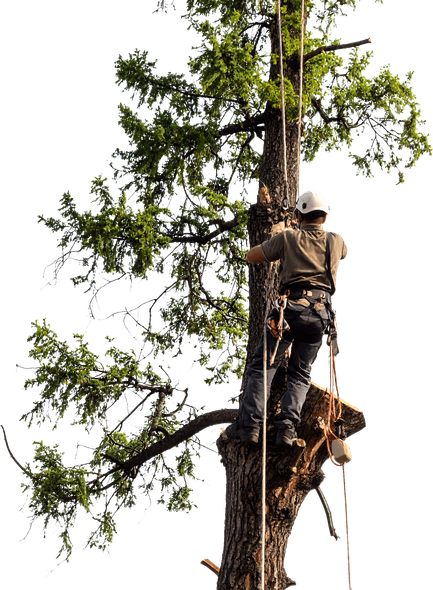
Choosing the right location for planting or transplanting trees is essential for their long-term health and growth. Considerations including the condition of the soil, sunlight exposure, and water flow needs careful consideration. Certified arborists assess the site's characteristics, ensuring that the chosen spot provides adequate nutrients and support for the tree species. In addition, the proximity to existing structures and surrounding flora is crucial to stop the fight for nutrients and prevent possible harm. Tree specialists also factor in the tree’s mature size and underground network, guaranteeing enough area for development. By conducting a thorough site analysis, these experts help clients choose wisely that promote healthy, thriving trees, ultimately enhancing the landscape’s visual appeal and natural benefits.
Proper Techniques for Installation
When the planting spot is meticulously reviewed and picked, the subsequent phase requires applying the best tree installation practices. Preparing the planting hole correctly is crucial; it should be twice the width of the root ball and not deeper than the root mass. It is necessary to set the tree in the hole so that the upper surface of the roots aligns with the adjacent ground. Backfill with native soil, making sure to eliminate air gaps, and water thoroughly to promote initial root establishment. Adding a layer of mulch near the trunk aids in water retention and inhibit unwanted growth. Florence Arborist. For transplanting existing trees, it is crucial to limit damage to the roots and relocate the plant in its resting phase for the best chance of survival. Adhering to these methods fosters healthy growth and longevity
Arborist Action Following Severe Weather
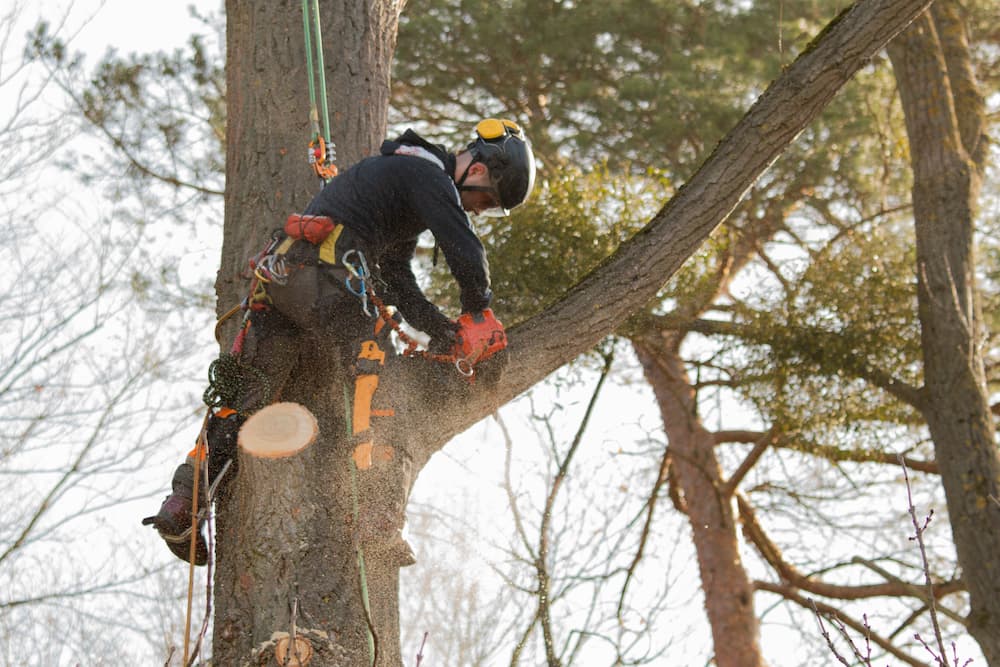
After powerful weather events occur, the aftermath can leave trees in hazardous situations, posing risks to property and safety. Professional arborists play a vital role in crisis management, assessing trees harmed by the storm to check how safe and healthy they are. Their expertise allows them to identify which plants can be saved and which pose imminent hazards that require extraction.
Using professional equipment, arborists can safely prune broken branches and remove wreckage, reducing additional harm to surrounding areas. Arborists also offer helpful guidance on preventive measures, such as selecting resilient tree species for upcoming installations.
Apart from the initial cleanup, tree specialists assist clients in grasping the future impacts resulting from the weather, offering guidance on recovery and rehabilitation. By responding rapidly and capably, certified tree experts safeguard assets but also help in the renewal of the local environment once the tempest has passed.
Nutritional Support and Soil Management
After the devastation caused by storm damage, the priority becomes the condition of surviving trees, highlighting the significance of nutrient assistance and ground care. A professional arborist checks ground quality and tree vitality to figure out specific nutritional needs. Trees need vital elements, such as nitrogen, phosphorus, and potassium, to heal and grow strong post-stress incidents.
Ground care plays an essential role in nutrient availability and root growth. Experts might advise ground improvements, including organic matter, to boost soil structure and the action of microorganisms. The correct pH balance are also assessed, as they impact how nutrients are absorbed.
Applying mulch can help the soil hold water and prevent weed growth, making a suitable condition for tree recovery. With a detailed feeding regimen and implementing effective soil management strategies, arborists guarantee trees recover their vigor, resilience, and overall health, which is critical for maintaining a balanced ecosystem in the wake of environmental disturbances.
FAQs
What is the Recommended Inspection Frequency?
Trees should be checked once a year for maximum vitality. Nevertheless, more frequent evaluations may be necessary for younger trees, following harsh storms, or if they show signs of stress or sickness.
What Qualifications Should I Look for in an Arborist?
When hiring a tree specialist, one should look for credentials like ISA (the ISA) accreditation, relevant experience, insurance coverage, and a good standing within the community, guaranteeing skill in arboriculture and safety practices.
Are There Specific Tools Arborists Use for Tree Care?
Arborists employ a range of unique equipment for tree care, like chainsaws, pruning shears, climbing gear, and stump grinders. Each tool serves a specific purpose, ensuring effective maintenance, pruning, and tree extraction while promoting overall health and safety.
What is the Influence of Climate on Tree Health?
The state of the weather strongly influences tree health; heavy rainfall may result in root rot, while dry spells put strain on trees. Harsh weather conditions often result in harm to leaves and branches, in turn harming development, resilience, and general health of the trees.
Am I able to care for my trees personally, or Should I Hire a Professional?
Although certain simple tree maintenance jobs can be done by people themselves, it is usually recommended to hire an expert - Florence Arborist. Trained individuals carry specialized equipment and knowledge, ensuring that trees receive the right maintenance needed for peak growth and vitality